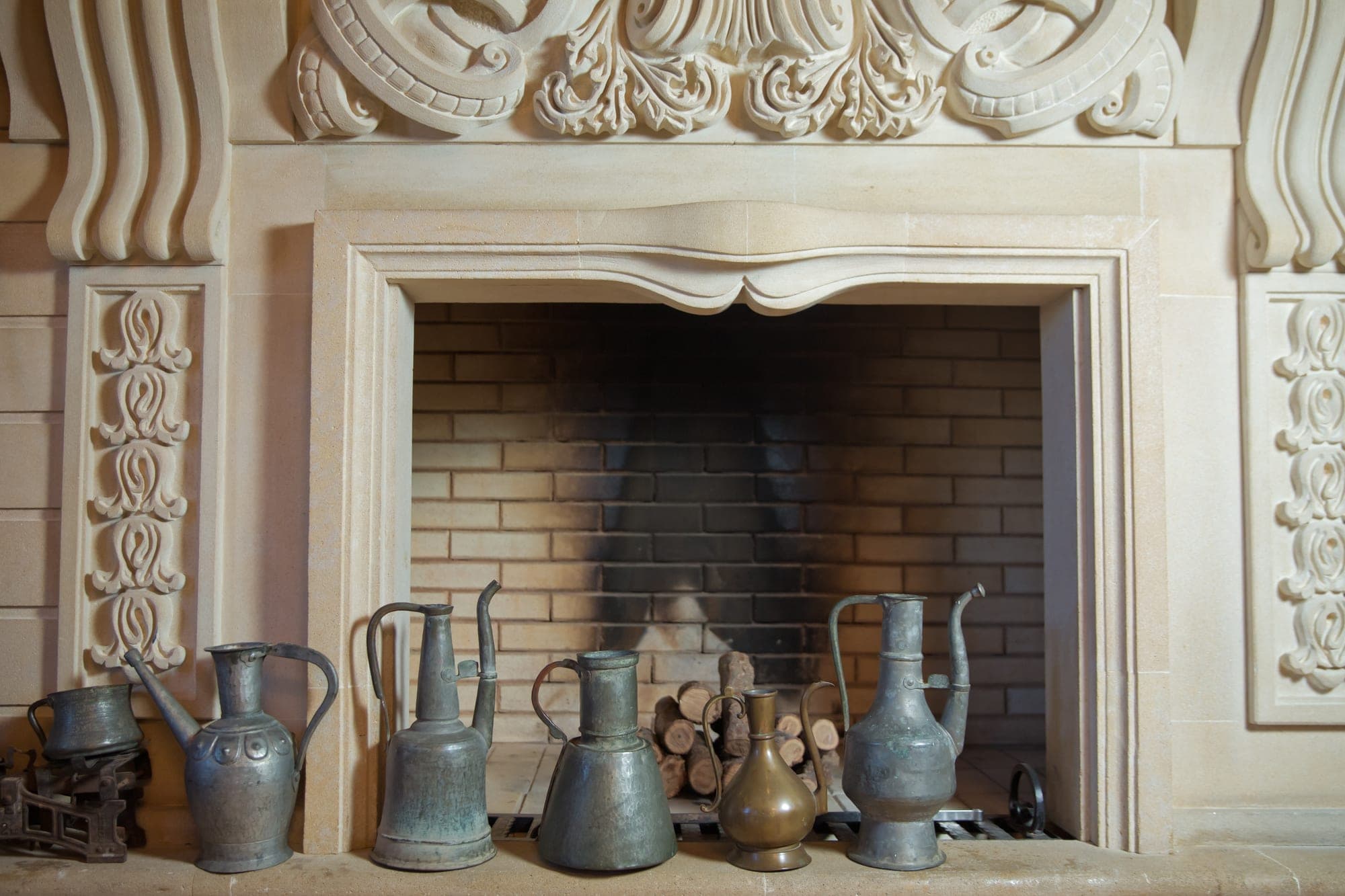
Xinjiang, China
Hotan和田
Where the Silk Road blooms at dawn
Coordinates
37.1°N, 79.9°E
For centuries, the oasis city of Hotan in Xinjiang has been revered as one of the world's most exceptional rose-growing regions. A place where ancient traditions meet the edge of the Taklamakan Desert.
A Silk Road Legacy
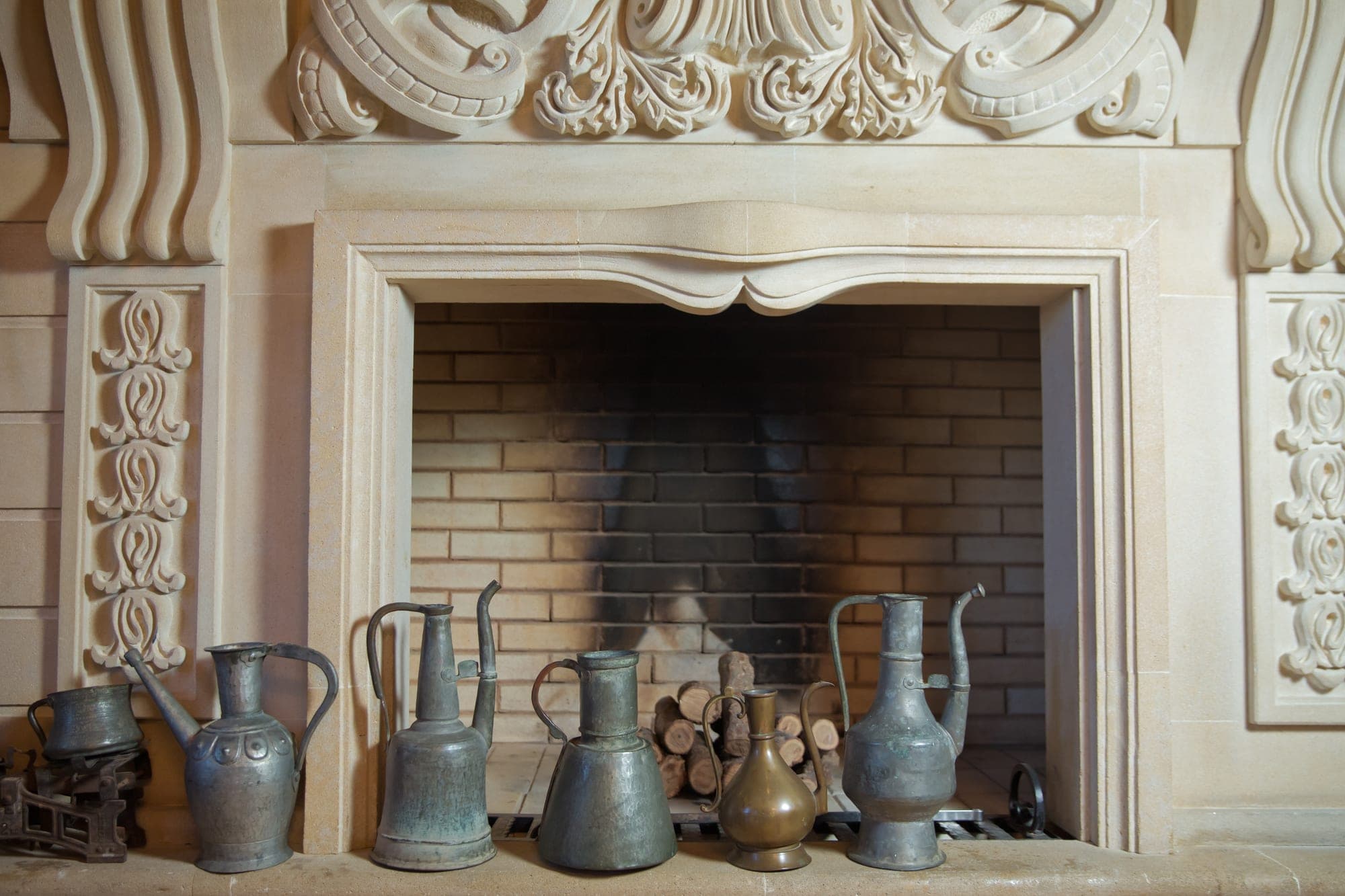
Hotan (Khotan) played a highly significant role in the Silk Road as a crucial oasis city, acting as a major trading hub, cultural crossroads, and key producer of highly prized jade and silk—strategically positioned on the southern branch of the route connecting China, India, and the West.
The Land
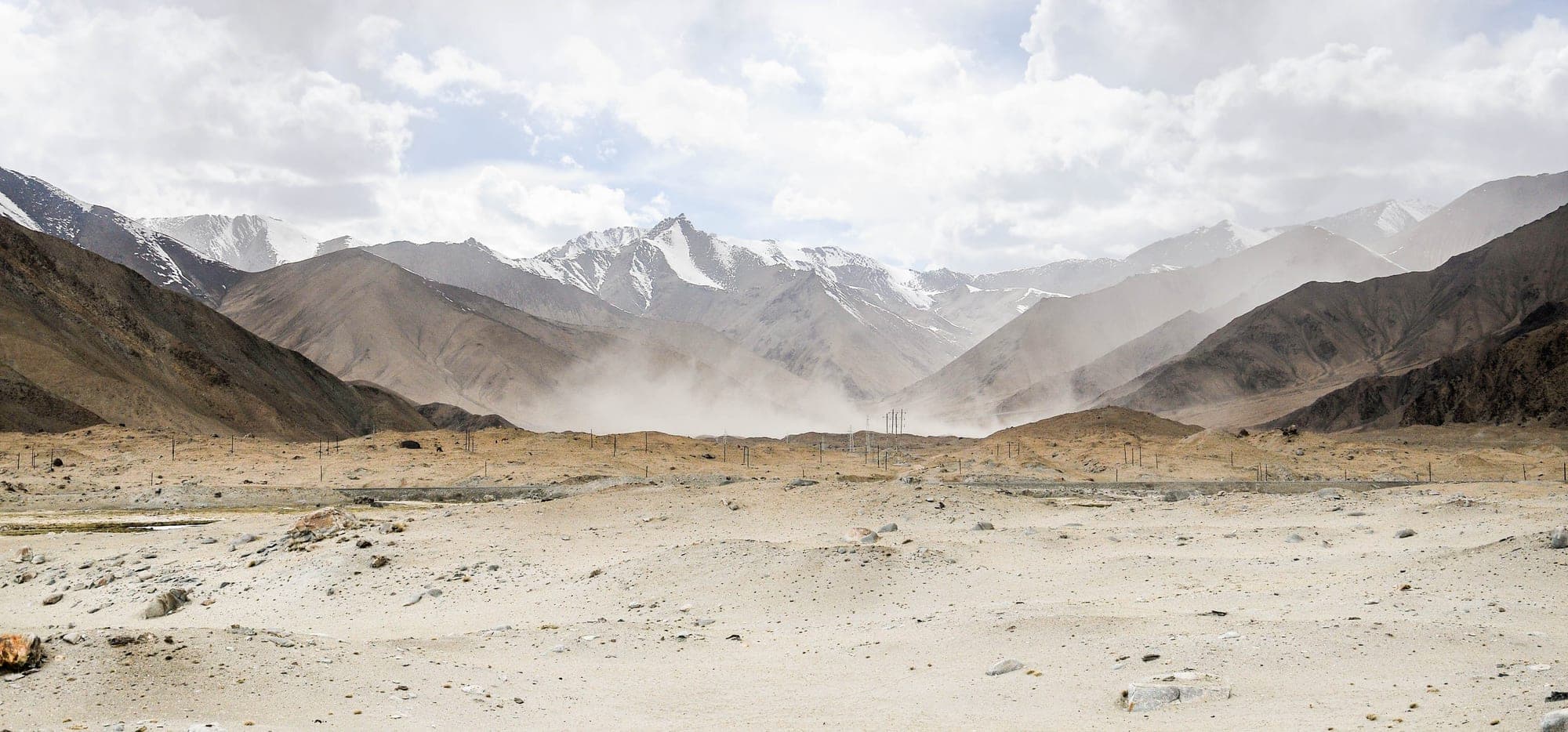
Nourished by glacial meltwater from the Kunlun Mountains and shaped by dramatic day–night temperature shifts, Hotan's environment is unlike anywhere else on Earth. The oasis exists in defiance of the surrounding desert, a testament to centuries of careful cultivation and deep respect for the land.
The People
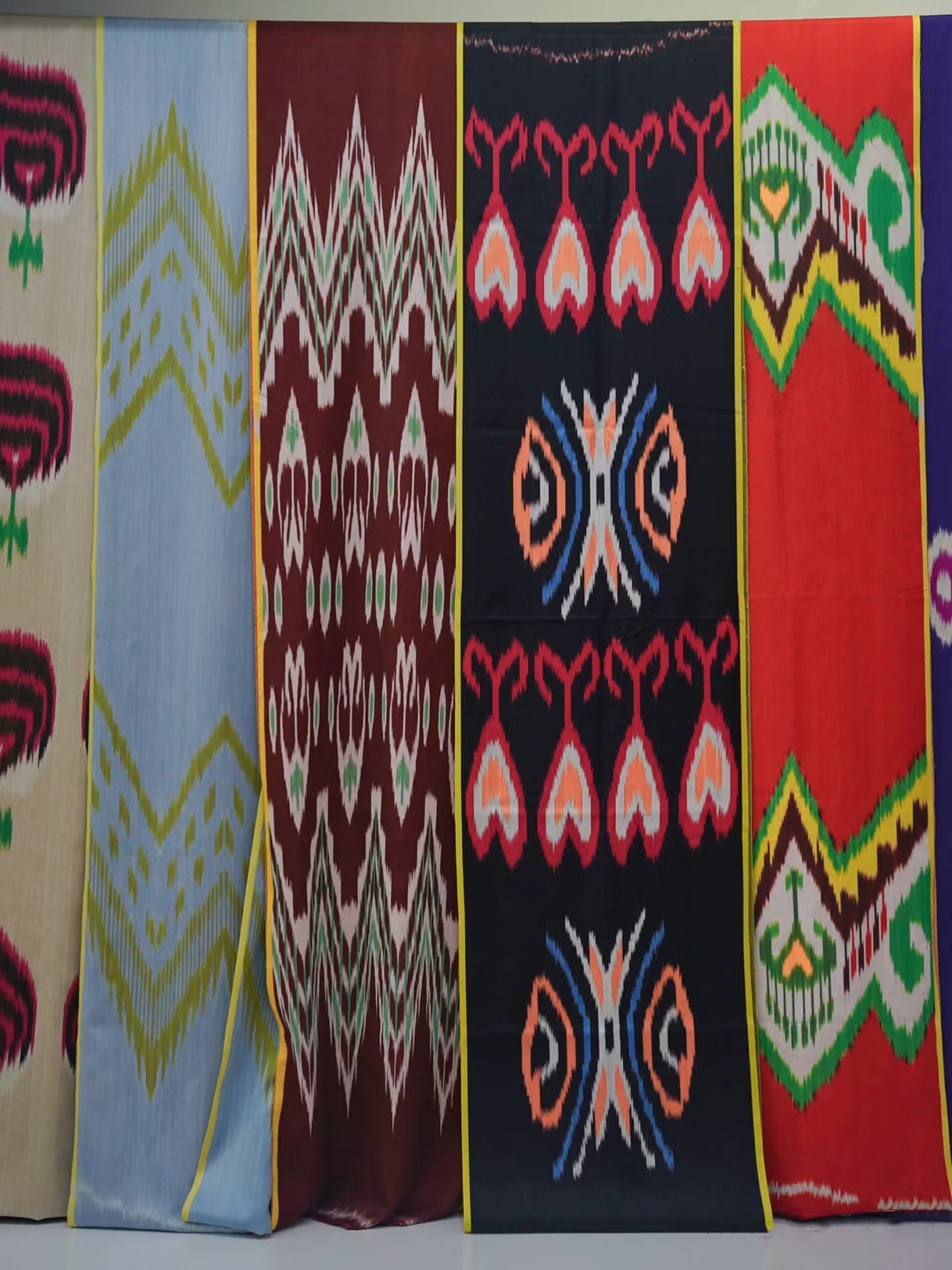
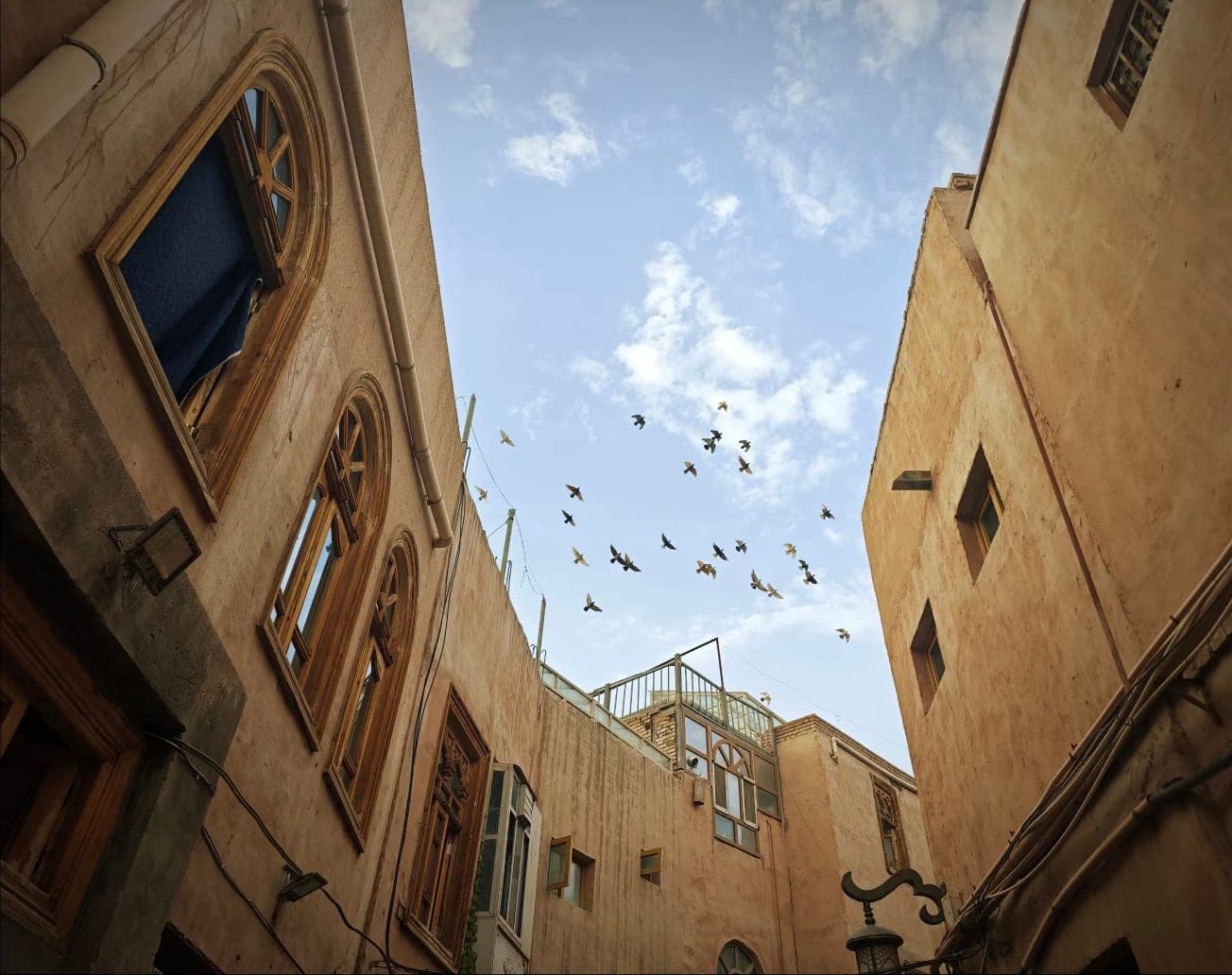
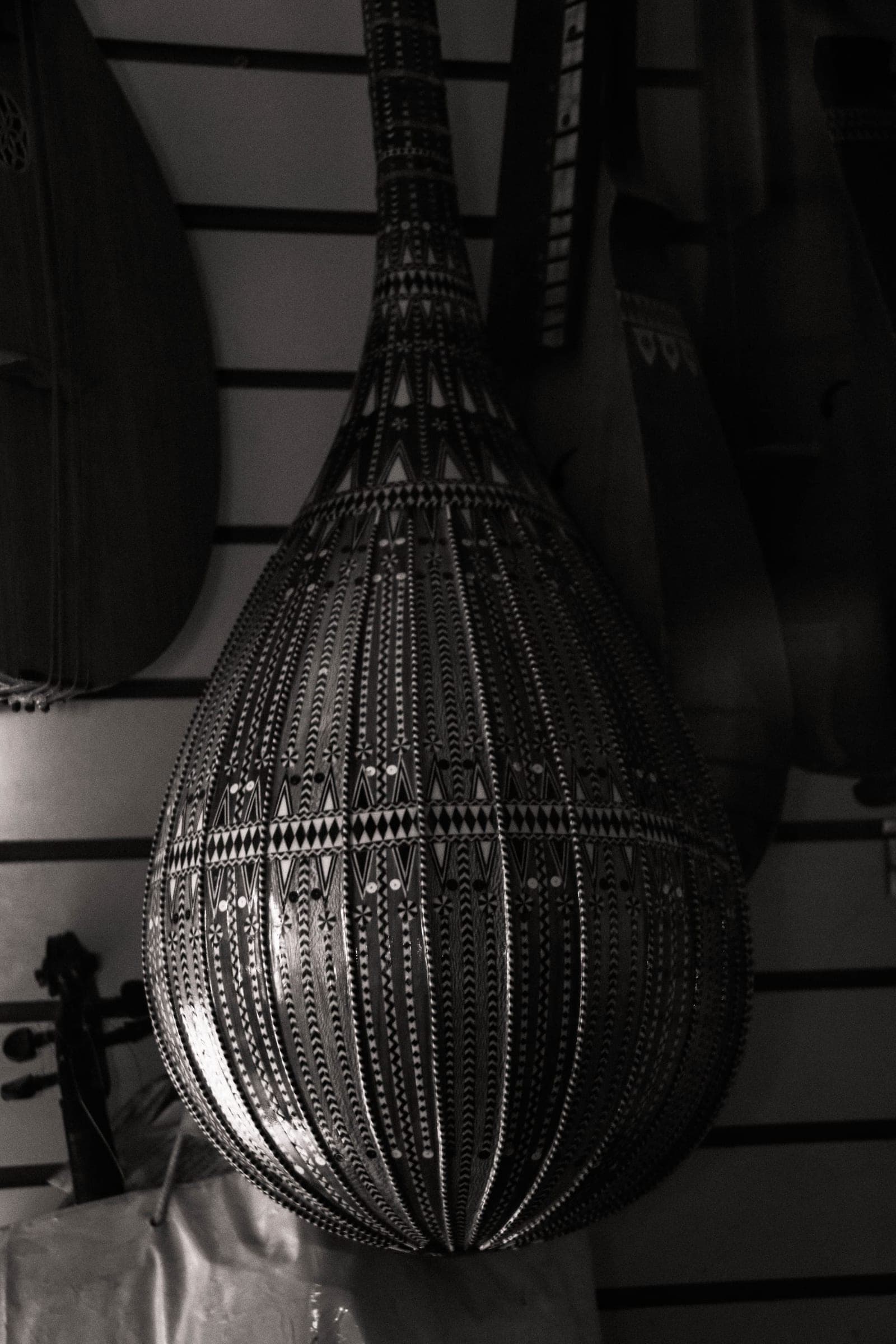
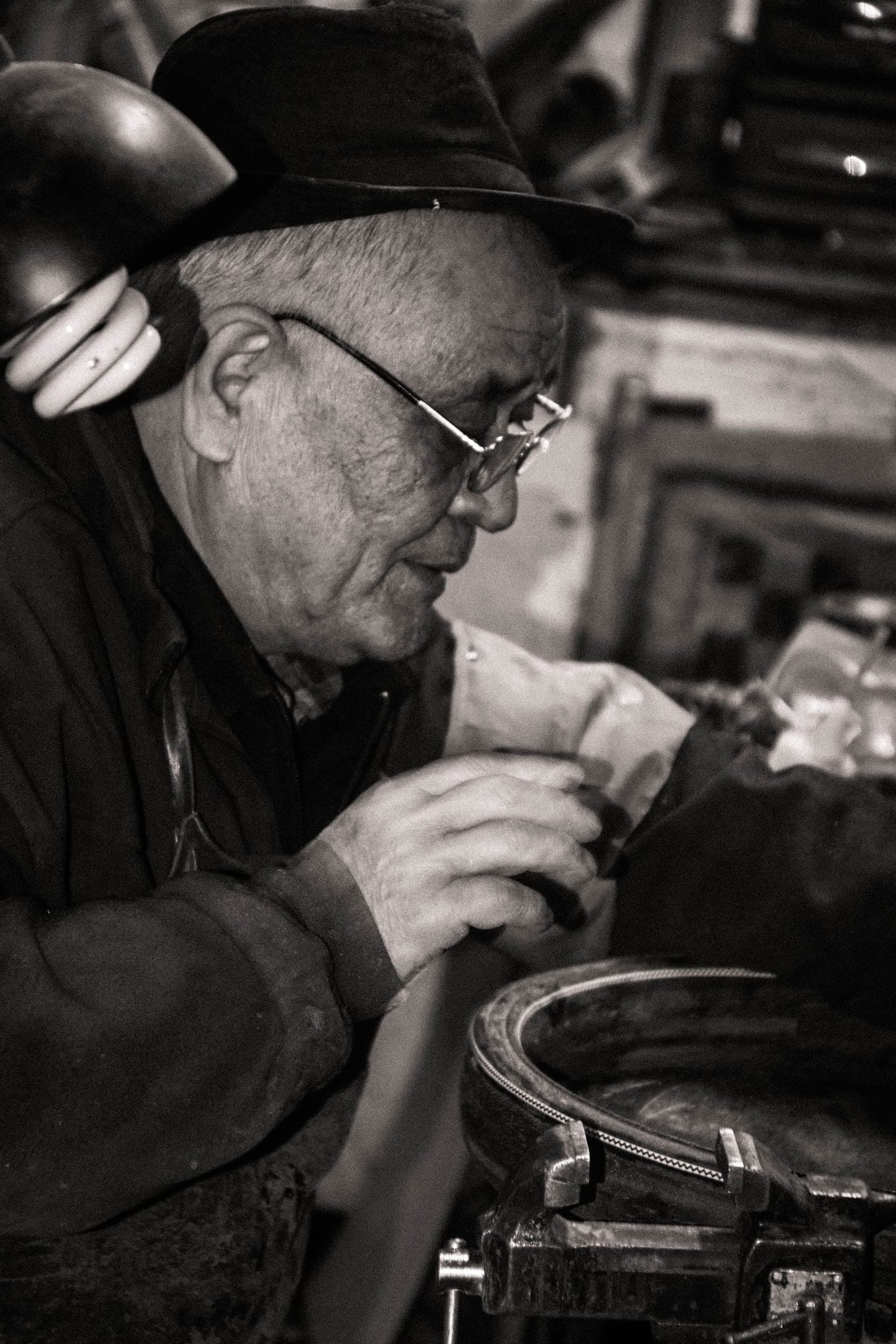
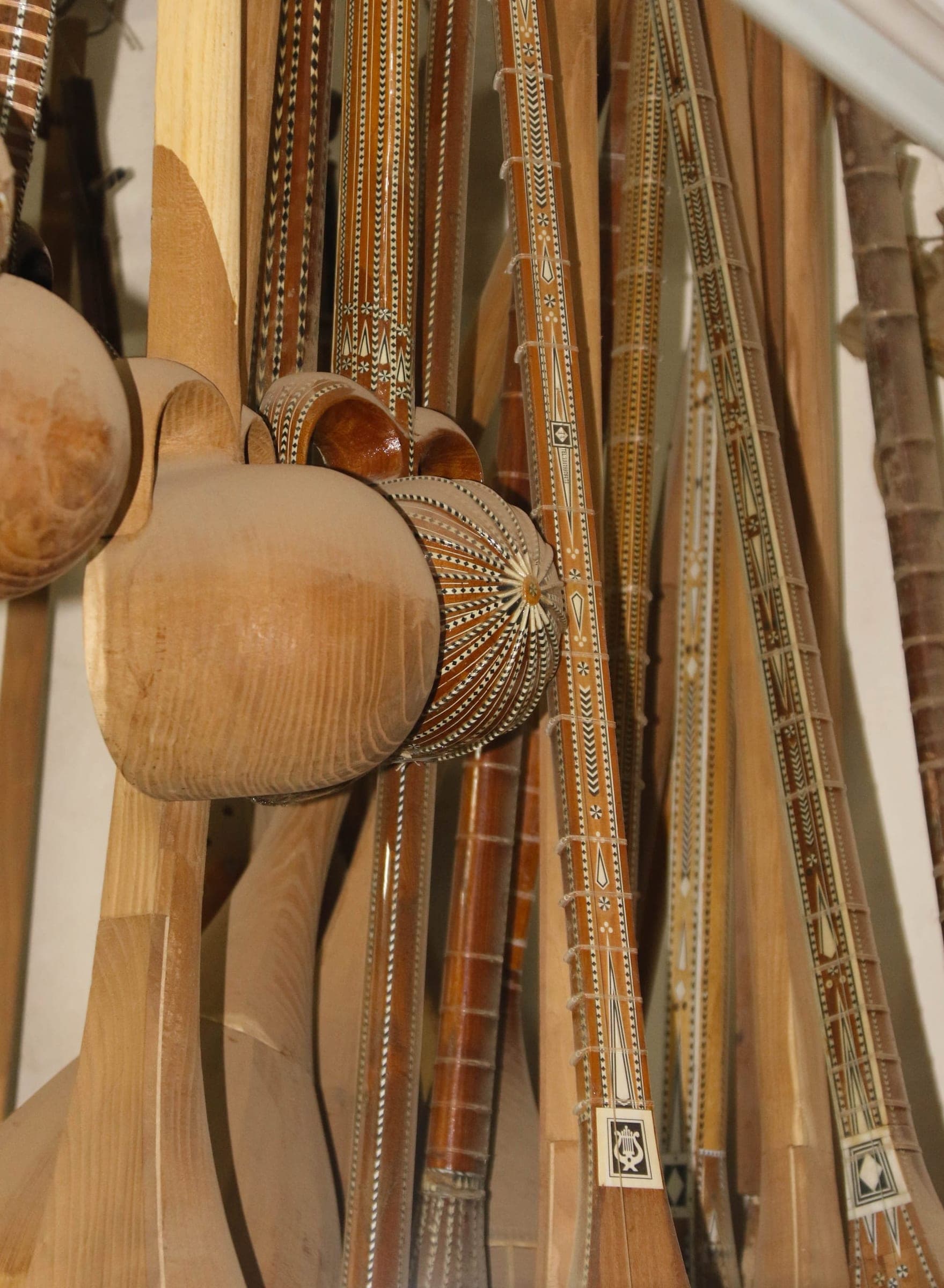
The Uyghur people of Hotan have maintained their distinct cultural identity for millennia. Their traditions—in music, craft, cuisine, and agriculture—represent an unbroken thread connecting the present to the ancient Silk Road. Every family carries knowledge passed down through generations.

Living Heritage
In Hotan, tradition is not a relic of the past—it is a living practice. From the Sunday bazaar that has operated for over a thousand years to the artisans who still craft silk and jade using ancient techniques, this is a place where time moves differently.
To understand Hotan is to understand that beauty grows from patience, and that the desert teaches us to treasure what we have.