ILÉM PAPER
What Remains — A conversation with Industrial Designer Nao Iwamatsu
The Shape of Tea – In Conversation with Takashi Ichikawa
Gender Dynamics and Post Consumer Behavior: Matcha
Where Flowers Become Form – with Floral Artist Genki Tanaka
Listening to the Primordial Wind – with Musical Artist Ryuuta Takaki
Where Flowers Become Form – with Floral Artist Genki Tanaka
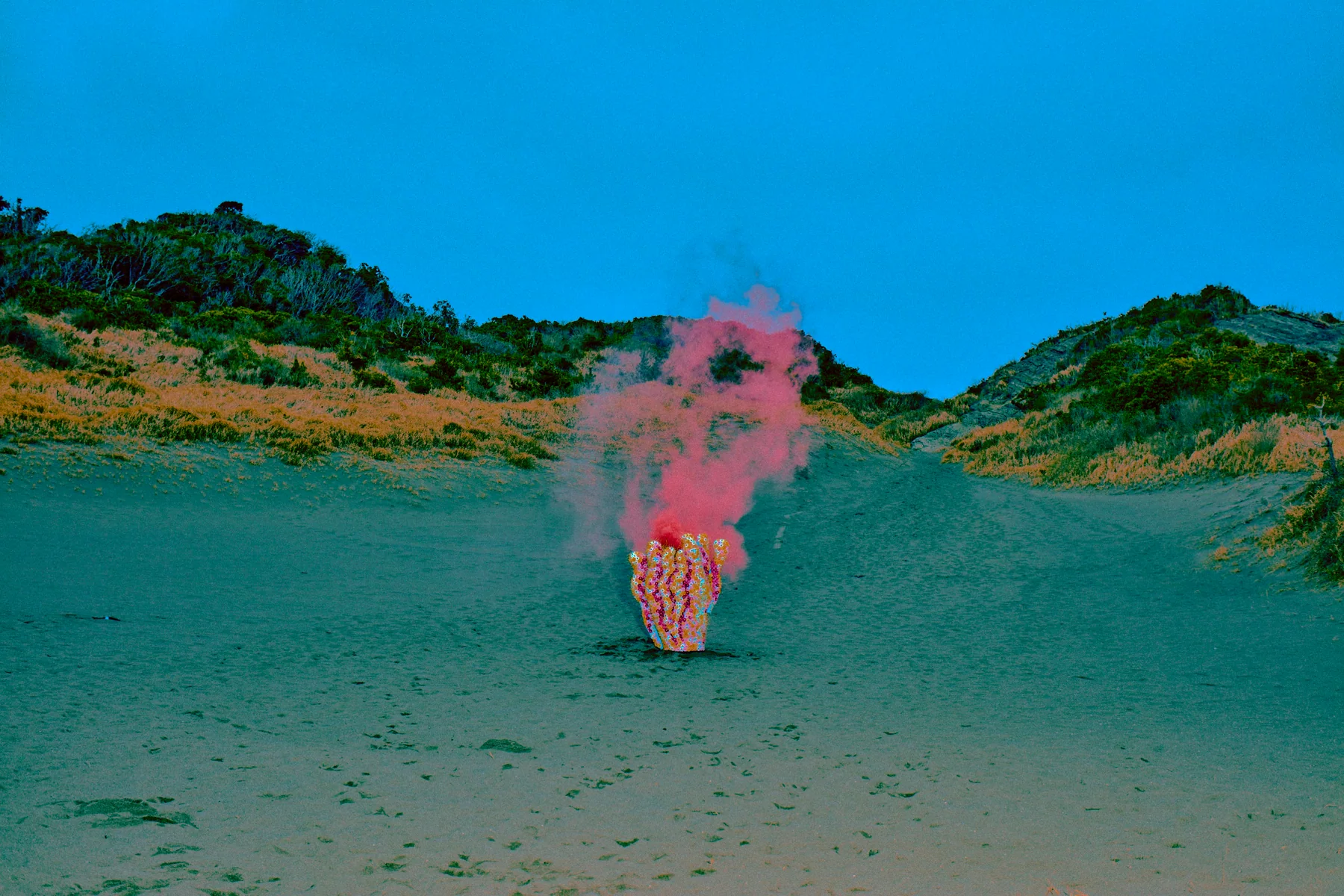
In this interview, there's something Genki said that I keep coming back to “A floral artist reveals how both the individual and society perceive nature.” That's a different kind of ambition, and this conversation reflects it.
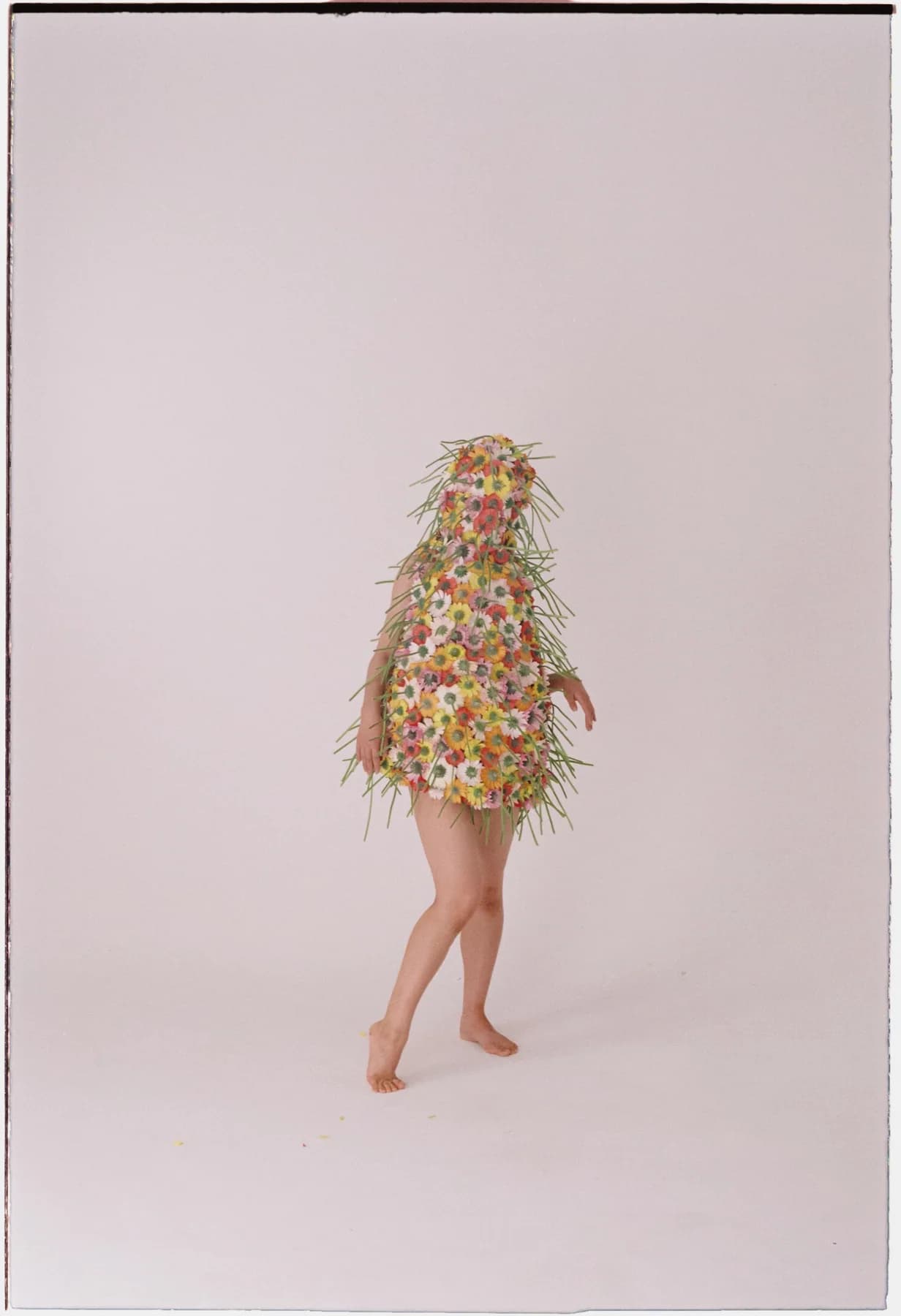
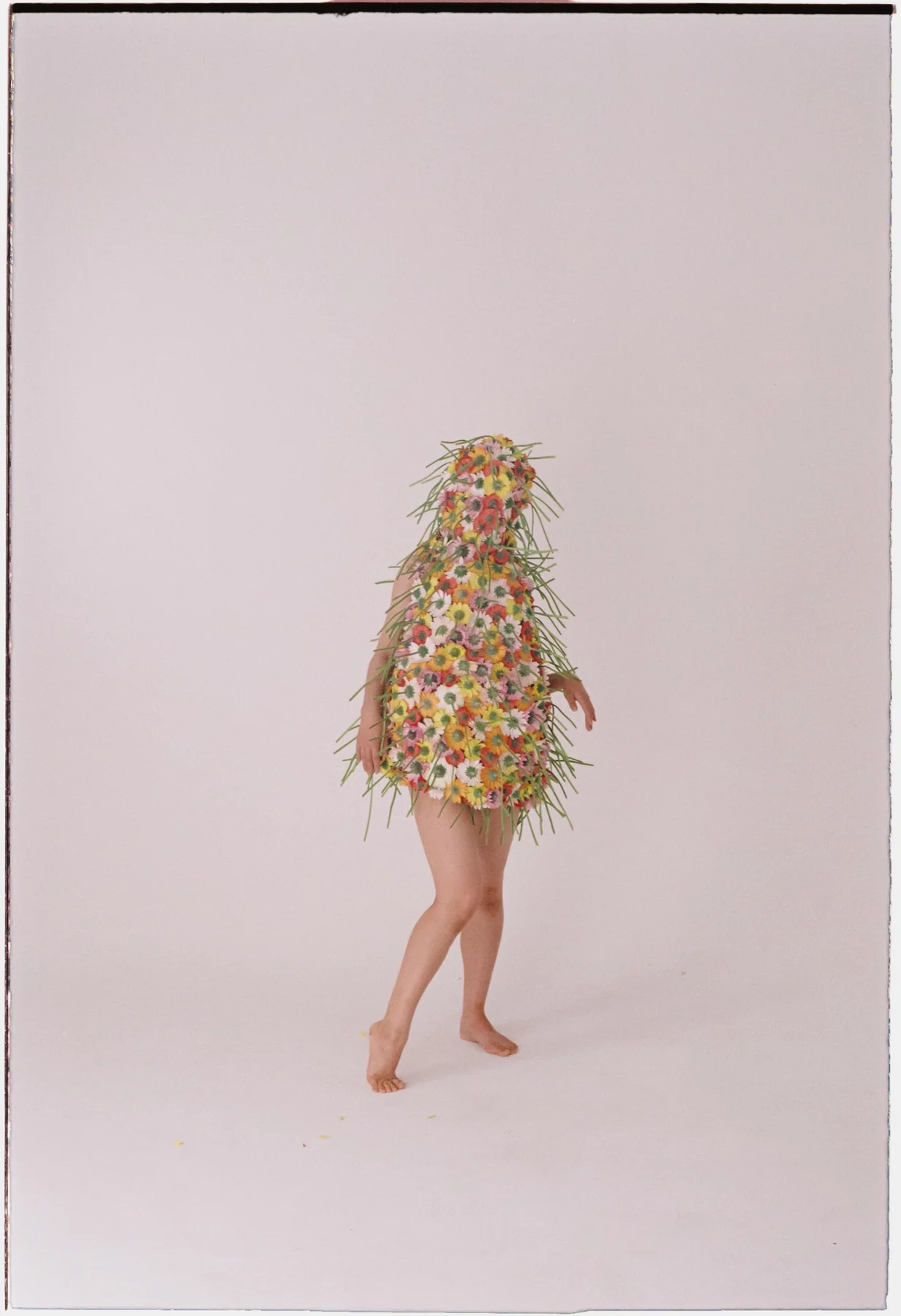
Genki grows his own flowers, varieties too wild and irregular for the conventional market. He sends figures covered in blooms through the streets of Tokyo.
I'll let him speak for himself.
-Imran
I.A. - Before we begin, could you introduce yourself?
G.T. - My name is Genki Tanaka. I’m a flower artist based in Tokyo. Since 2020, I’ve been working across disciplines, exploring ways of expressing plants through different fields and contexts
I.A. - What first drew you into the world of plants and flowers?
G.T. - In my late teens and early twenties, I studied permaculture while running a small farm, with a focus on building more sustainable social systems. Living a self-sufficient lifestyle, I became deeply aware of the field as a complete ecosystem — a place where multiple forms of life exist in quiet, organic interconnection. That sense of wholeness stayed with me.
I.A. - Could you share a song you often return to while creating?
G.T. - “Tokyo” by GEZAN.
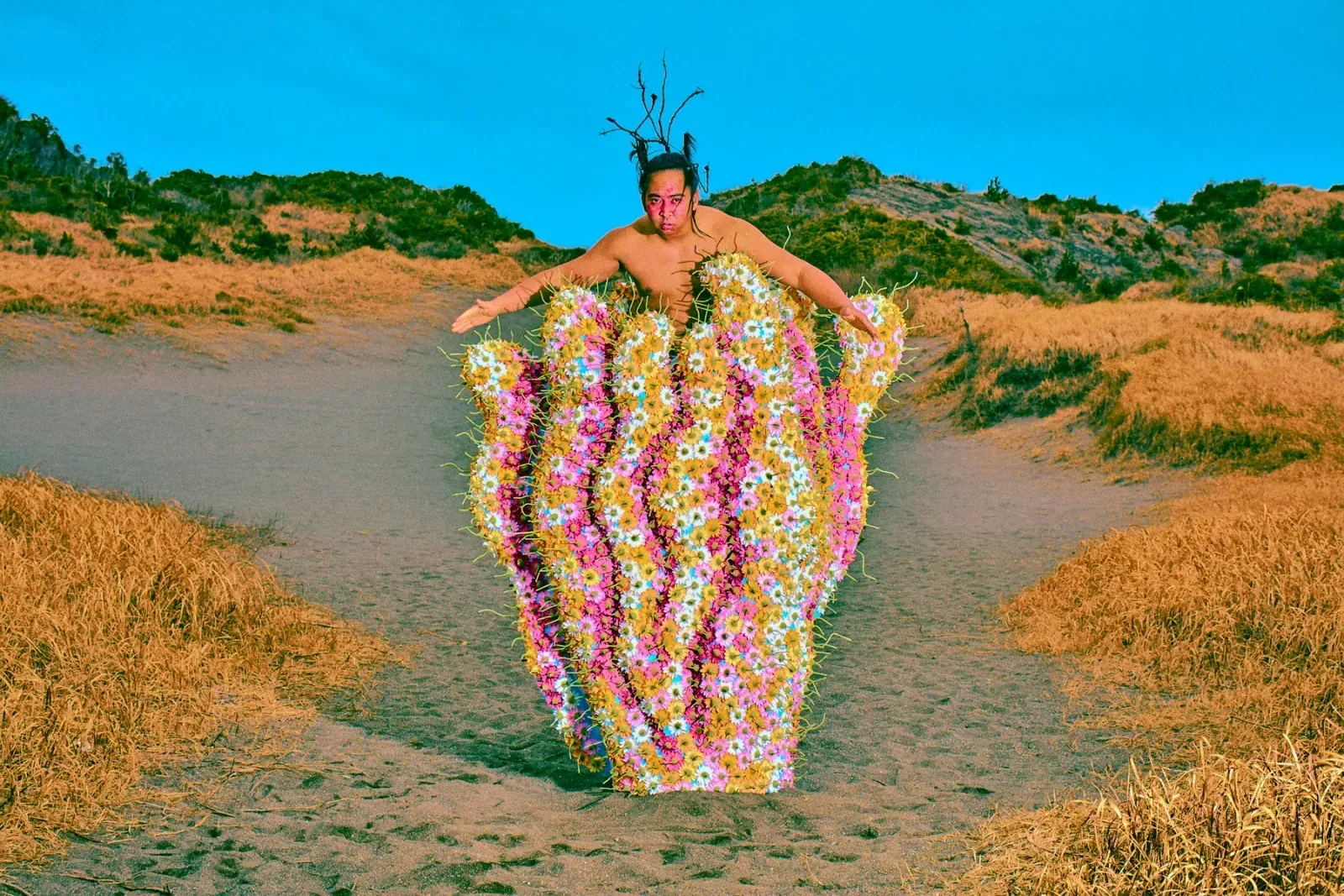
I.A. - Your work spans flowers, architecture, and fashion. How do you define the role of a floral artist today?
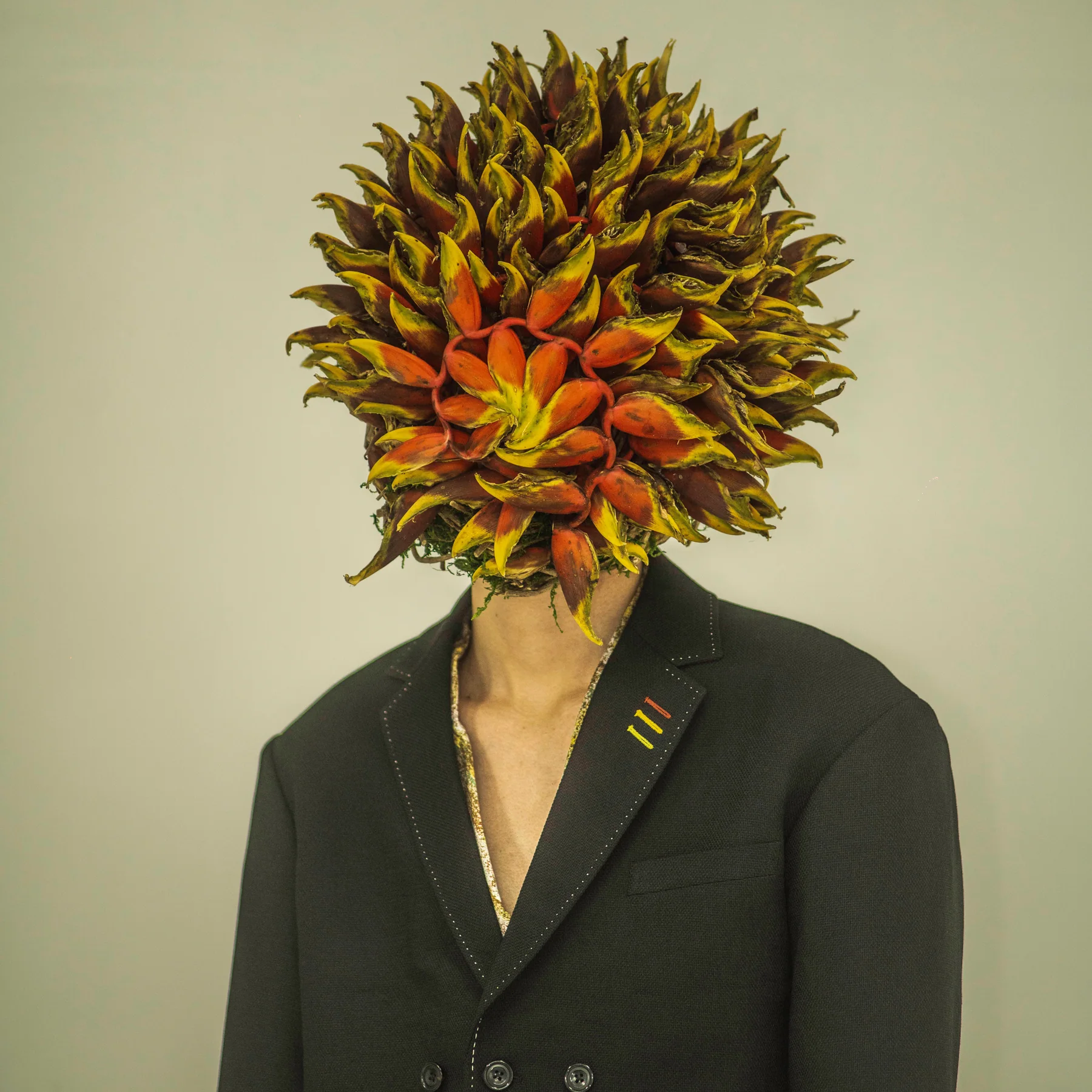
G.T. - I think a floral artist reveals how both the individual and society perceive nature. It’s less about decoration, and more about making visible a certain relationship to the natural world.
I.A. - Your pieces often feel sculptural rather than arranged. What led you to approach flowers in this way?
G.T. - Floral arrangements and bouquets have long existed as functional expressions, particularly in the act of giving. I wanted to move beyond that framework. Flowers hold a kind of potency that shifts depending on their context, and I felt it was limiting to confine them to a single, predetermined form. My interest lies in expanding how they can exist and be experienced.
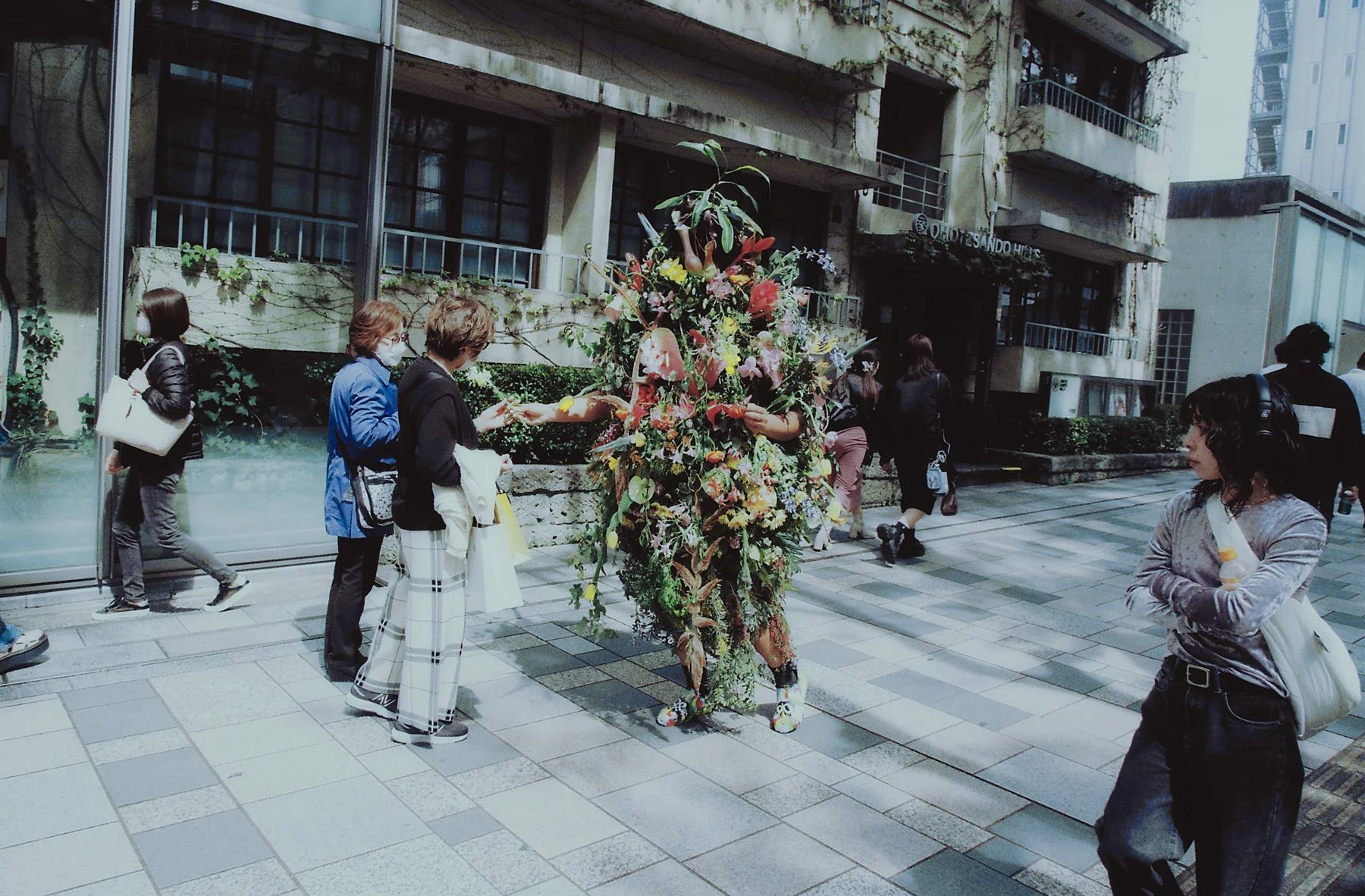
I.A. - Could you tell me about Flower Man?
G.T. - Flower Man is a performance work in which a figure covered in flowers moves through the city, offering those flowers to people it encounters. In urban spaces, plants often exist more as symbols — something distant, almost mythologized. This piece is an attempt to return them to lived experience, to create moments of direct encounter.
Because flowers are ephemeral, the process is inherently immediate. Unlike garments or furniture, they don’t allow for extended production timelines. From sourcing to completion, everything happens intuitively, almost impulsively. There are always elements I can’t control — a bloom opening too quickly, a structure not holding as expected — but within that unpredictability, there are moments that surpass my own intentions. That, to me, is the most meaningful part.
I.A. - Has your practice shifted in recent years?
G.T. - The most significant shift has been starting my own field. Most florists rely on market-sourced flowers, which tend to prioritize uniformity and longevity. I was interested in something else — in encountering plants that fall outside those standards.
Growing my own has allowed me to work with flowers that feel more raw, less controlled. There’s a kind of wildness in them that I want to bring into my work, and into the spaces where that work exists.