ILÉM PAPER
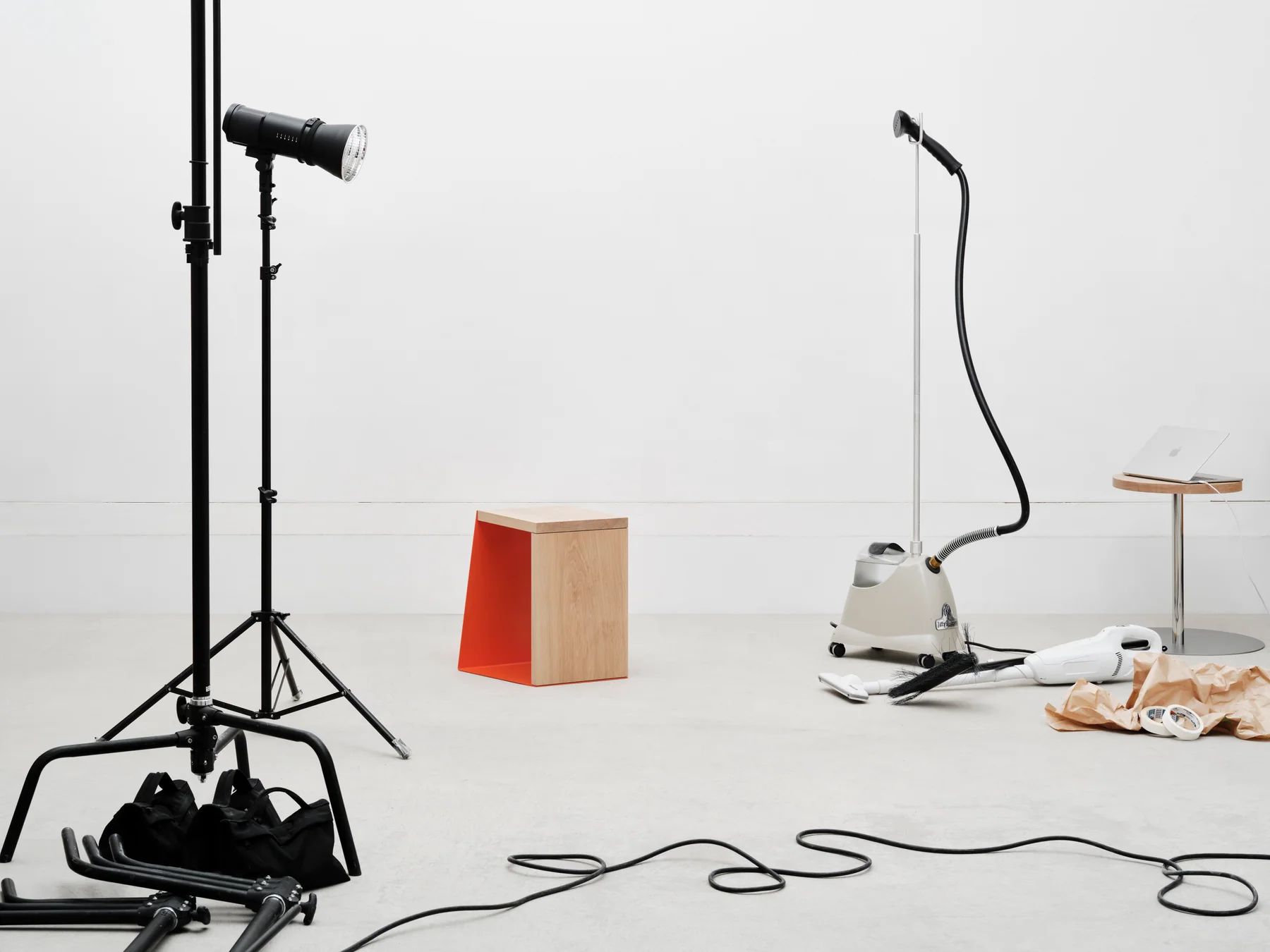
What Remains — A conversation with Industrial Designer Nao Iwamatsu
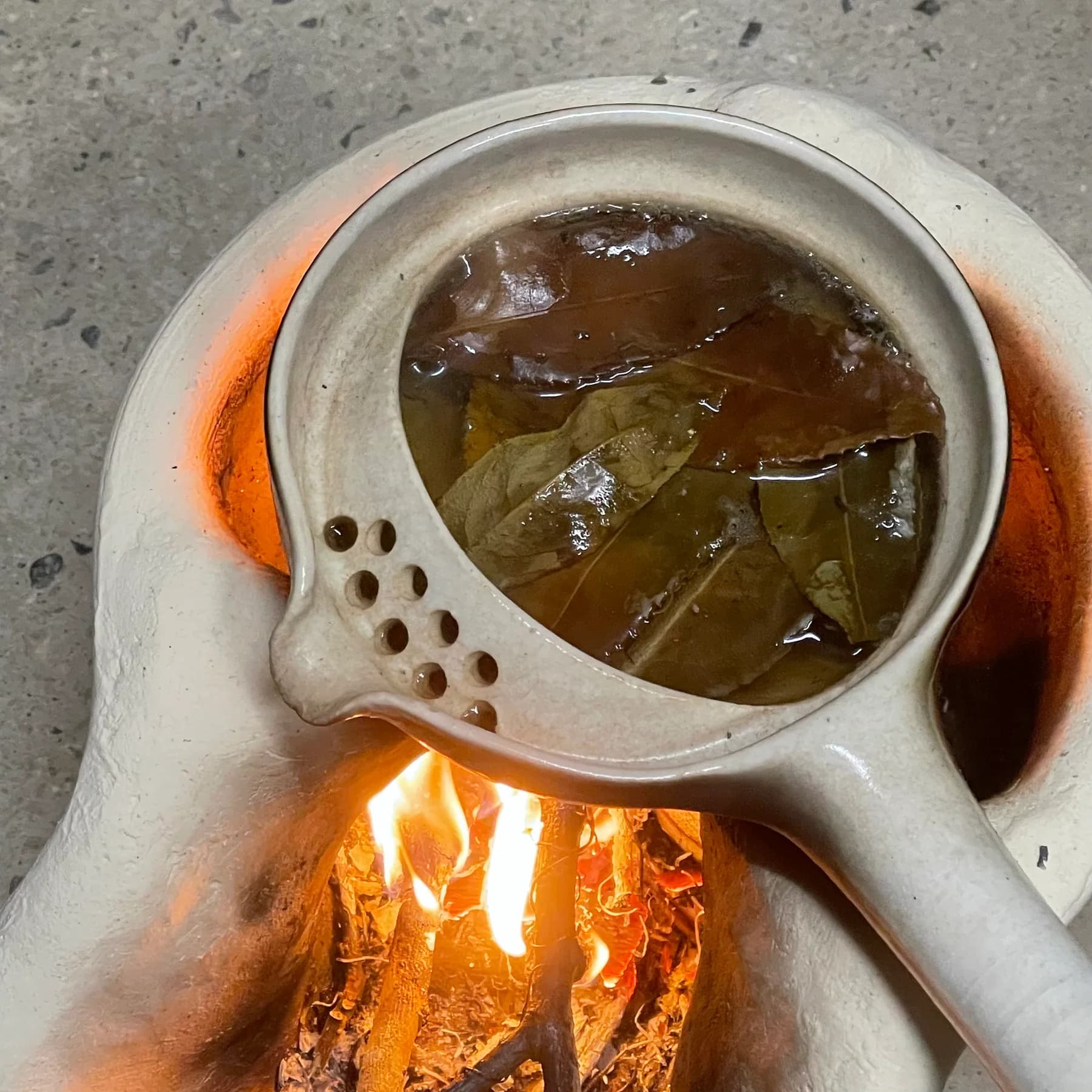
The Shape of Tea – In Conversation with Takashi Ichikawa
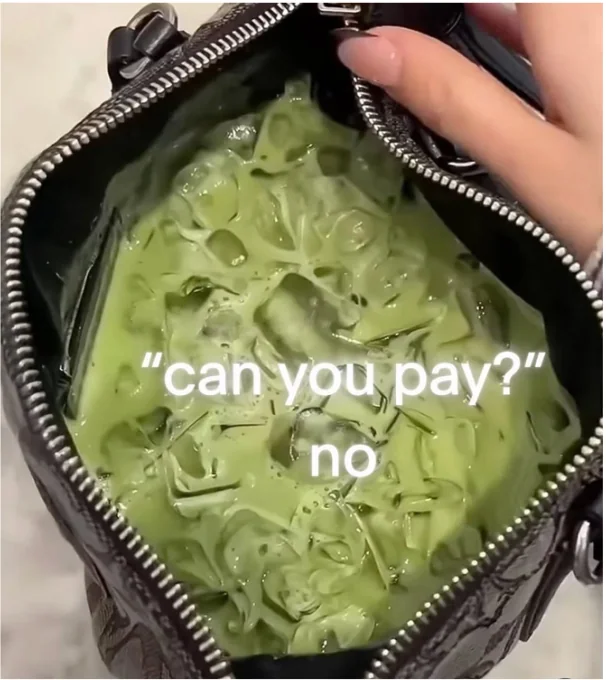
Gender Dynamics and Post Consumer Behavior: Matcha
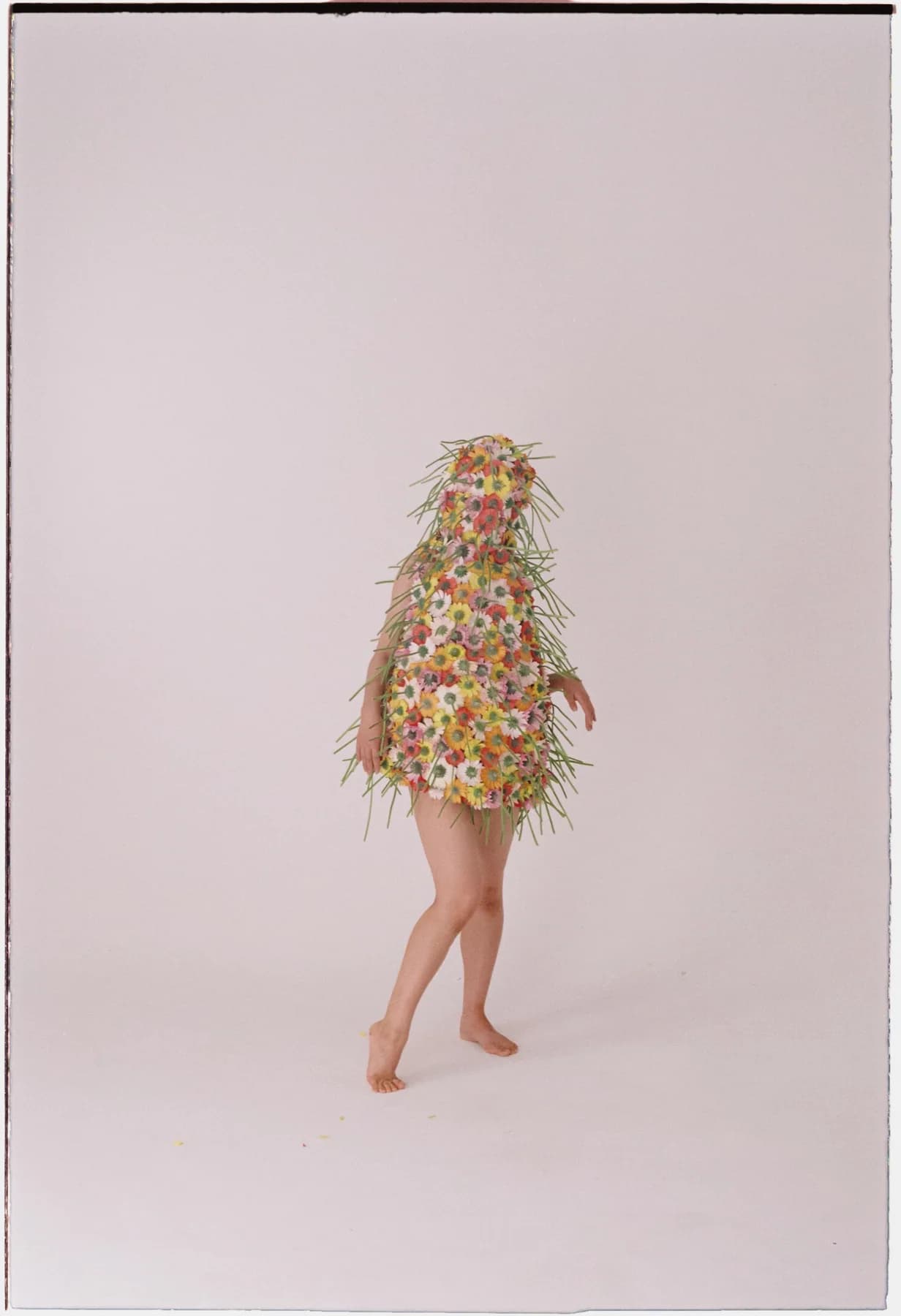
Where Flowers Become Form – with Floral Artist Genki Tanaka

Listening to the Primordial Wind – with Musical Artist Ryuuta Takaki
Gender Dynamics and Post Consumer Behavior: Matcha
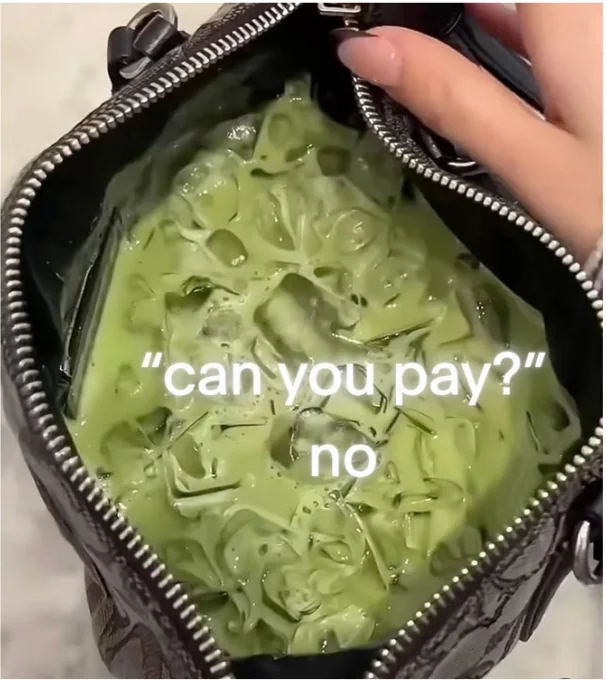
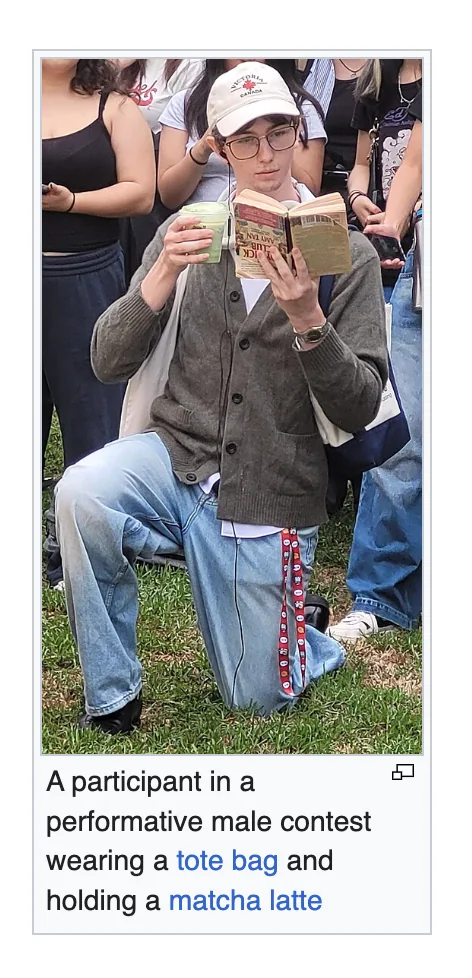
Poised as a healthy drink, or an alternative to a pre-established large-scale coffee culture, matcha as it is today is not always what it has been. Traditionally, matcha has been a subspecies of green tea consumed by Buddhist monks for centuries to increase mental focus (Cheadle and Kilby, 2017). Cultivated to have lower caffeine, this drink in America has become synonymous with your local cafe, blaring the best indie music from 2019. The popularity of matcha stems from our very gendered, aestheticized view of food. Currently dictated by social media, culture seems to reflect this commodified, brutally simplified digital identity. Recent research examining online matcha communities argues that matcha no longer functions simply as a beverage, but as a symbolic lifestyle accessory tied to aspiration and self-branding (Farahiyah et al., 2025). Bridget Conor describes this phenomenon as “cosmic wellness,” in which wellness products and foods are marketed primarily toward women through the aesthetics of purity, self-improvement, and spirituality. The rise of the “matcha boy” stereotype online demonstrates how even seemingly neutral consumption choices become politicized through gender coding.

As a nonbinary person, I find myself often being aware of large-scale gender optics, but never truly finding the reasoning for their existence. Café spaces themselves have historically operated as queer social environments where marginalized identities build visibility and community. My relationship to matcha is one of gender neutrality or even agender. There is this cognitive dissonance I find in the product’s visual language, which is perhaps related to the larger identity performance that informs Western food culture. Identity performance, especially for queer and nonbinary people, has historically been necessary for visibility and survival within societies structured around rigid norms.
Contemporary Western food culture increasingly relies on identity performance, where consumption habits become visible markers of morality. Queer theorists have argued that performativity is not inherently superficial; rather, identity itself is constituted through repeated social acts and symbols (Butler, 1990). Research on food and gender expression suggests that consumption choices often become tools through which people negotiate normative gender categories (Turner & Ferguson, 2013). Matcha, therefore, functions not only as a beverage but as a socially readable aesthetic. Therefore, I think Western food culture must allow for nuance and neutrality, especially in cafe spaces where being queer has historically been protected. In a world full of gender performance and optics, maybe for once we can allow everyone to take a sip of their matcha.