ILÉM PAPER
Second Hand Nostalgia – A conversation with Uyghur Artist Camilla Dilshat
Non-belonging – A conversation with Conceptual Artist Intizor
The Girl Who Ran in Heels – On Distance, Identity, and Arriving Somewhere No One Expected You.
Visual complexities arise, in this Hotan rug
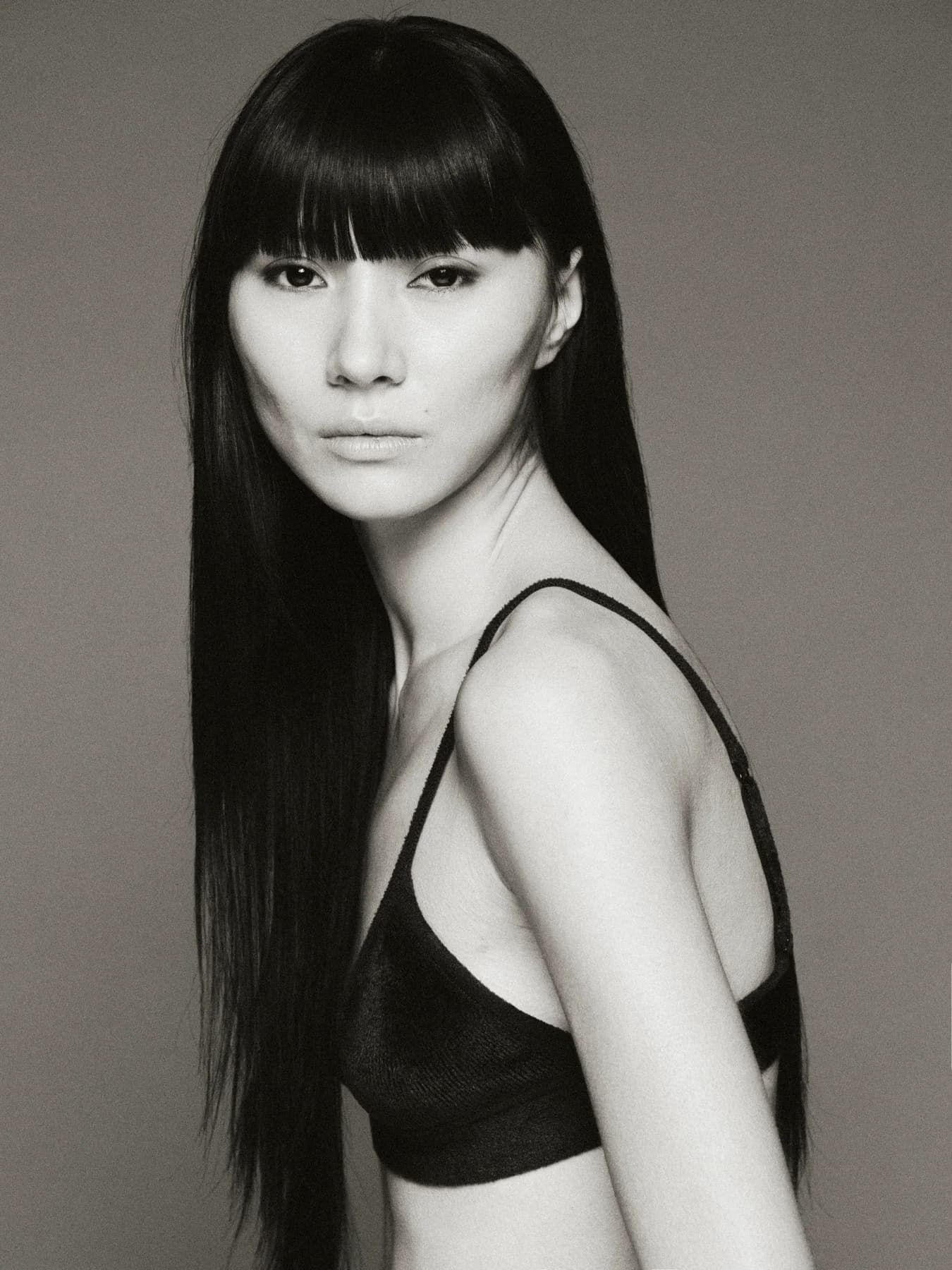
The Girl Who Ran in Heels – On Distance, Identity, and Arriving Somewhere No One Expected You.
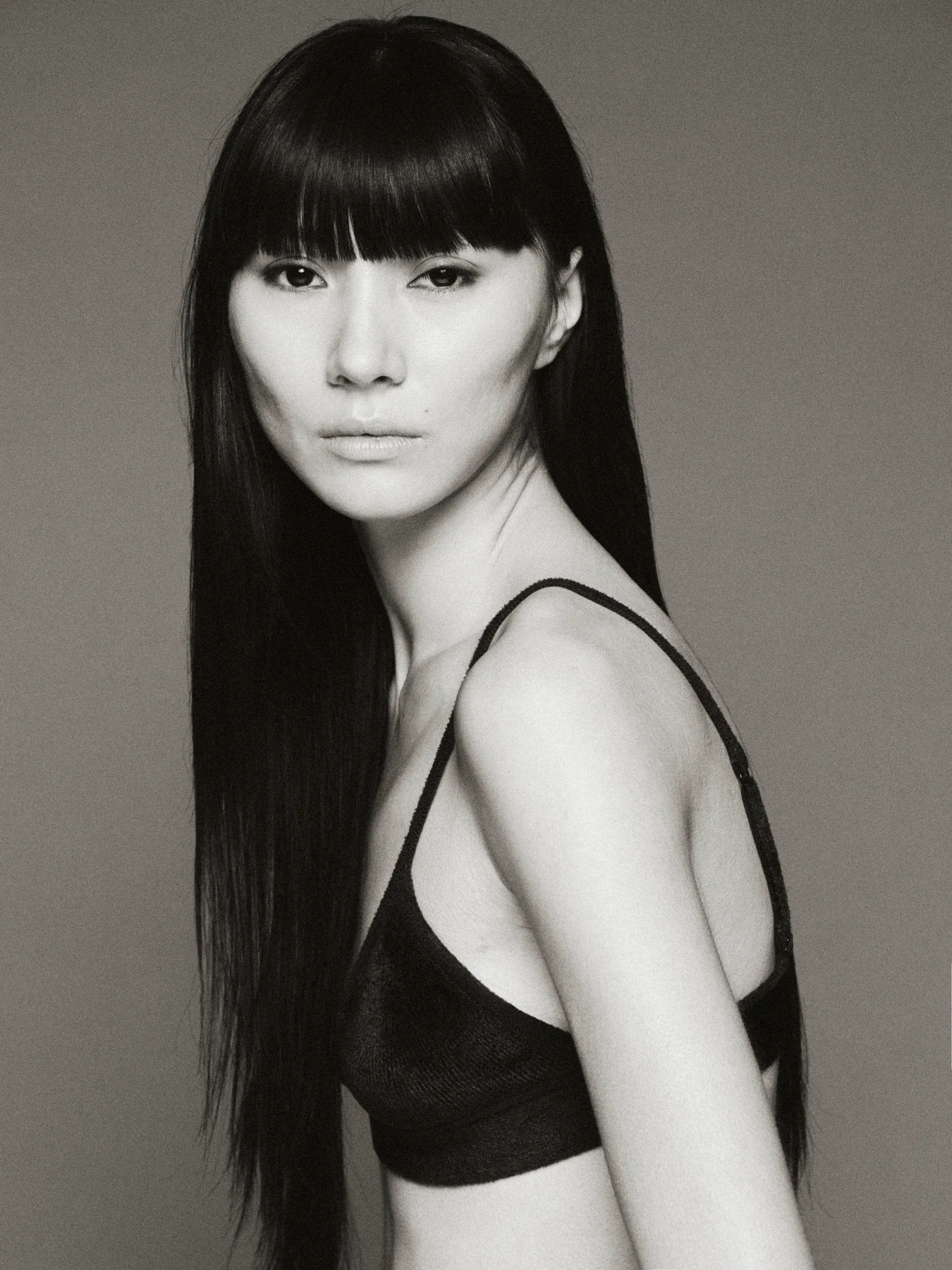
For this Interview, I sat down with someone I've known since long before either of us could have imagined this moment. Mar - a Uyghur model now based in Paris, whose journey from Urumqi to the runways of Rick Owens is one of the most quietly extraordinary stories I know.
I've wanted to have this conversation for a while. Not about fashion, exactly but about what it costs to come from somewhere invisible and walk into spaces that weren't built with you in mind. About identity, and distance, and the kind of courage that doesn't announce itself. She is the right person to have it with.
What you'll find in this interview is someone who speaks plainly about hard things. Who carries her culture with pride without making it a performance. Who left everything, chose herself, and kept going and who somehow still has the warmth and humor of the person I met in Urumqi all those years ago, asking her to run in heels for the first time.
-Imran
I.A. - How do you introduce yourself to people who don't know you?
M. - I I say I'm from Kazakhstan, Uyghur. Usually that's where the questions start, what is Uyghur? So I explain – it's an ethnic Turkic group, from the western part of China. Most people have never heard of it. Either way, there's always a moment where I'm teaching before I'm talking. I've gotten used to that.
I.A. - What do you remember about Urumqi — the city, the feeling of it?
M. - I spent four years there. That's where I really learned both my languages . Chinese and Uyghur properly, as a teenager, in the way you only learn things when you're surrounded by them completely. I made friends there. I became someone there, in that specific way a city does to you when you're young and you don't realize it's happening. And the food! I still think about the food. There's something about eating in Urumqi that feels communal in a way that's hard to explain if you didn't grow up with it. You sit around a table and the food is never just food.
I.A. - I always think about that photoshoot we did together there probably six or seven years ago now? A campaign for a friend's brand. Was that your first time in front of a camera?
M. - I will never forget that day. Yes, that was the first time, ever. I remember everything about it, including the moment you asked me to run in heels. Run in heels that I could barely stand in. I think I laughed because I didn't know what else to do. But I did it anyway.
I.A. - Looking back, did you have any sense then of where it might lead? Was Paris something you could even picture?
M: Paris was always the destination. I don't know when exactly it became that, it was just something I knew. Europe, and Paris specifically. But knowing where you want to end up and knowing how to get there are completely different things. That day in Urumqi, I knew the first part. The second part took years.
I.A. - When did you first believe that modeling could actually be your life?
M. - That shoot we did was the beginning of it and something shifted in me that day. I felt confident in a way I hadn't before, and I recognized it. I thought this is something I want. But then comes the real part. Coming from a small background, no industry connections, you want something and you still don't know if wanting it is enough. I was at university when I got a casting call in Hong Kong. I went. My university found out and threatened to expel me just for leaving. I had to make a choice, right there, between the path that made sense on paper and the one that made sense to me. I chose modeling. I moved to Hong Kong, and that's when everything started moving — work across China, a placement in Korea, first billboards. It wasn't overnight. It was a series of decisions, each one harder than the last.
I.A. - Moving from Urumqi to Paris is not a small distance in any sense. What did you leave behind? What did you carry?
M. - Honestly? I left without much. When you make that kind of move not just geographically but in terms of who you're deciding to become. You can't carry everything. You carry what's in you.
What I didn't expect is that home has a way of following you anyway. I'm married now, to someone from Urumqi. So in the end, I carried more than I thought.
I.A. - Fashion has a very specific idea of who belongs on a runway. What was it like arriving in those spaces as a Uyghur woman?
M. - What surprised me most was how often people assumed I was mixed. Like my features had to be explained by two different origins. And there's something interesting in that — because what I actually represent is just the natural range of what Central Asian people look like.
So every time I got to introduce myself as Uyghur, it felt like something. More like an addition to the picture. I'm grateful to be the first Uyghur woman walking for some of these houses, not because I set out to be a first, but because it means the door is open now in a way it wasn't before.
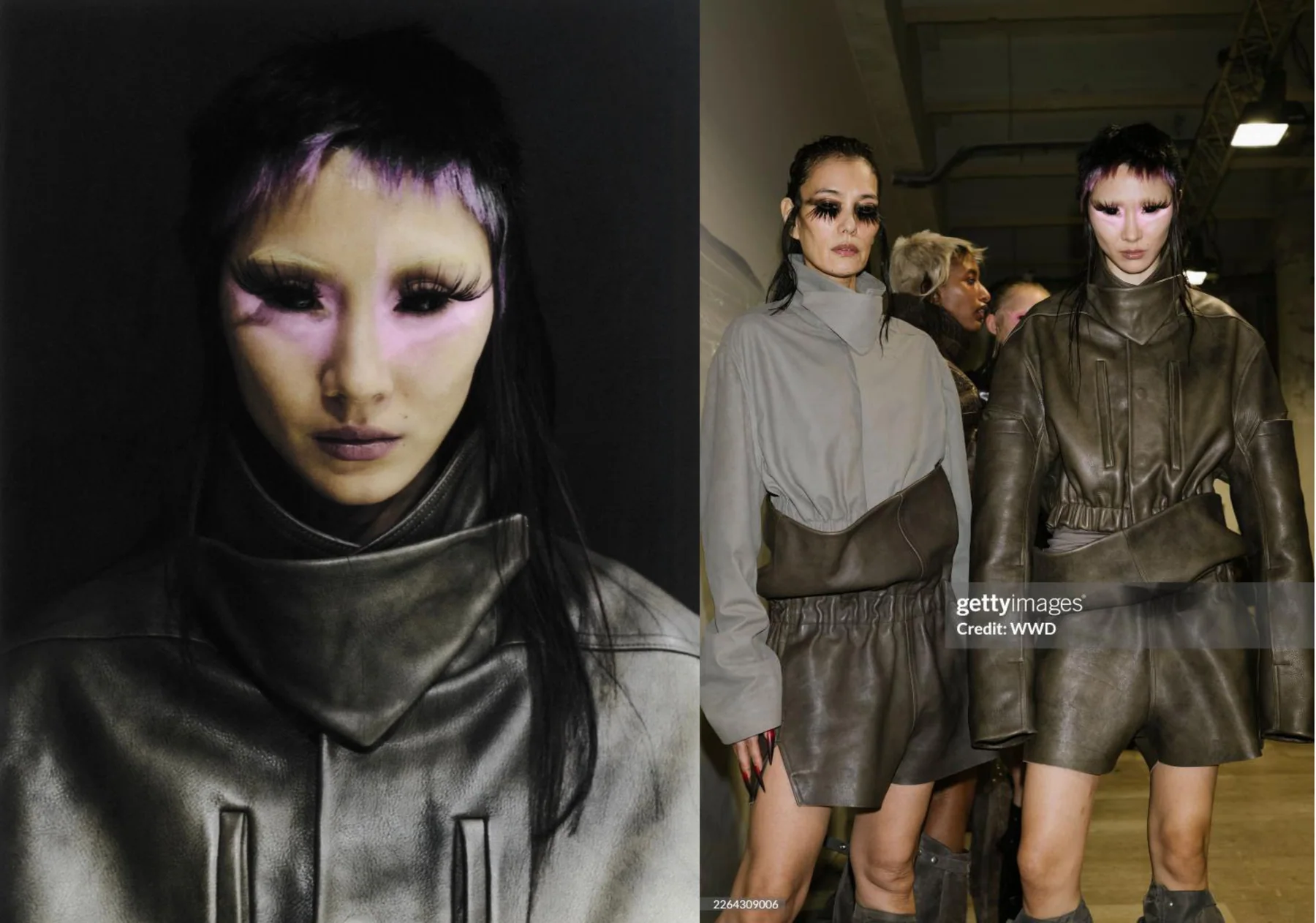
I.A. - You just walked for Rick Owens. His shows are not like other shows! What was it like being inside that world?
M. - I still don't fully believe it happened. Rick Owens is someone I have respected as an artist for a long time, his work asks something of you, as a viewer, as a wearer. So to be inside it, moving through it that was different from anything I'd done before.
What I remember most is the atmosphere in the house. Everyone was calm, focused, kind. And Rick himself came to each model individually to ask how we felt in the clothes. I won't forget that.